
Why decluttering first pays off
Every item you move has to be wrapped, boxed, carried, loaded, unloaded and unpacked. Clearing out beforehand shrinks every one of those jobs.
- A smaller move. Volume is one of the main things that decides the size of the crew and vehicle, and so the cost.
- Faster packing. Fewer boxes means fewer evenings spent taping and labelling.
- An easier first month. You arrive with things you want, not a garage full of boxes you never open.
Try to finish the main clear-out before your survey. The remover then quotes for what you are actually taking, not for things that will go to the charity shop.
A room-by-room plan
Start at least six weeks before moving day, and earlier for a large family home. Tackle one area at a time rather than dipping into every room.
- Loft, garage and shed. Start here, as these hold the most forgotten items. Old paint, garden chemicals and broken tools rarely deserve a place in the new home.
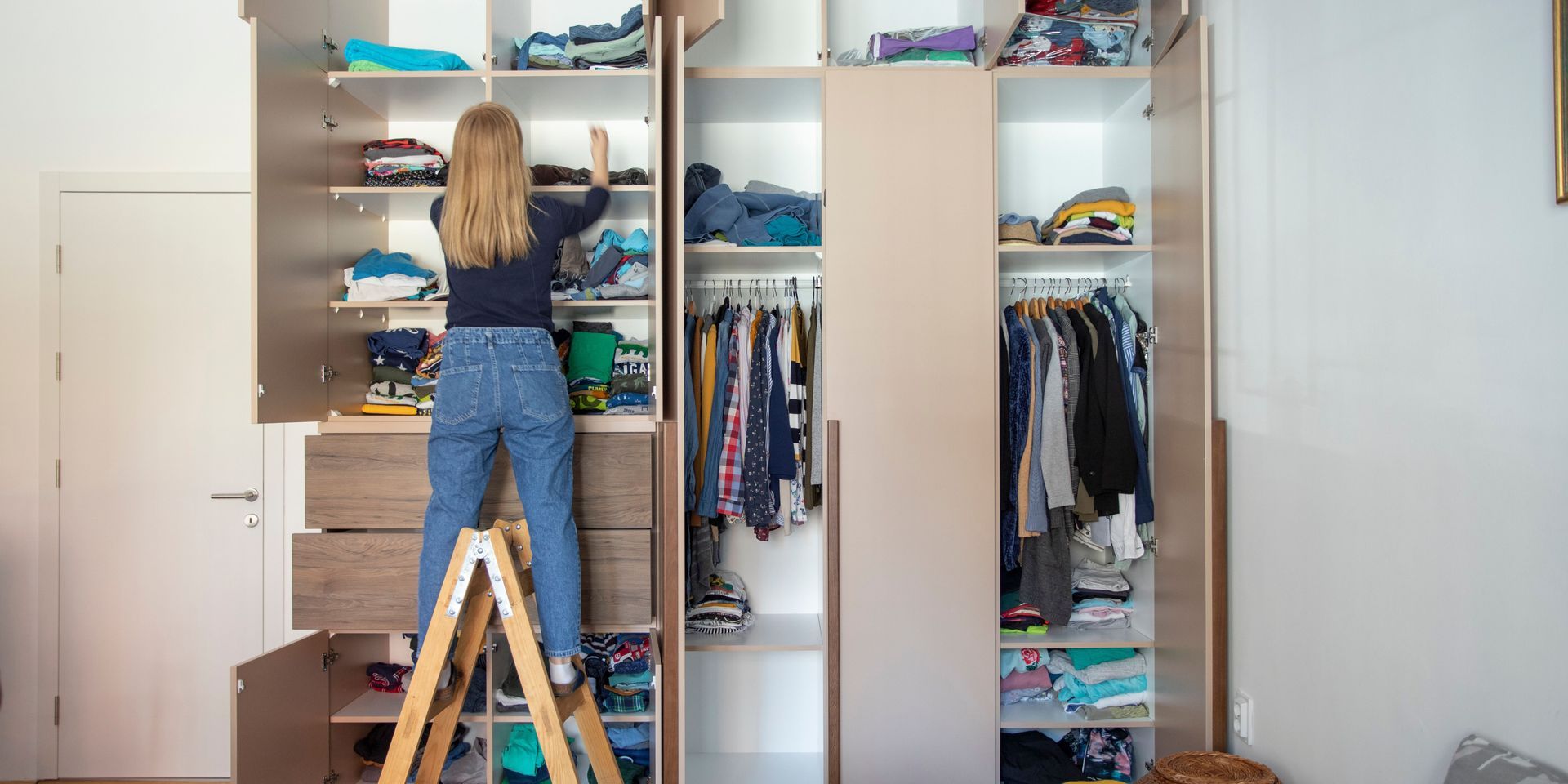
- Wardrobes. Anything that does not fit, has not been worn for a year or is damaged beyond repair can go.
- Kitchen. Clear out duplicate utensils, unused gadgets, chipped crockery and out-of-date food.
- Paperwork. Shred old bills and statements you no longer need and keep the important documents together in one folder that travels with you.
- Children's rooms. Involve them in choosing toys and books to pass on, and do it well before moving day.
The four-pile method
As you go through each room, sort every item into one of four piles.
- Keep: things you use regularly, need, or truly treasure.
- Sell: good-condition furniture, electronics and collectables worth listing online or at a car boot sale.
- Donate: clean, usable items for charity shops, schools or community groups.
- Dispose: broken or worn-out items for recycling or the tip.
Be honest about the 'just in case' items. If you have not used something in a year and would not buy it again, it is a good candidate to go.
Move the sell, donate and dispose piles out of the house as quickly as you can. Bags left by the front door have a habit of finding their way back into cupboards.
Dealing with sentimental items
Sentimental pieces are the hardest to decide on, so leave them until you have built momentum on the easier rooms.
- Keep the few things that matter most rather than everything connected to a memory.
- Photograph items before letting them go, so the memory stays even when the object does not.
- Create one keepsake box per person for letters, drawings and small mementoes.
- Offer family heirlooms to relatives now, while you can see them go to someone who will use them.
If a decision feels too hard, set the item aside. Storage can give you time to decide later without holding up the move.
Selling, donating and disposing responsibly
Give yourself time to sell things. Online marketplaces work well for furniture and electronics, but buyers need a few weeks to arrange collection.
Charity shops welcome clothes, books and homeware in good condition, and some collect larger furniture if it carries fire safety labels. For everything else, use the household recycling centres run by BCP Council and Dorset Council, checking whether you need to book a visit first. Paint, chemicals and electrical items need to be disposed of properly, and your council can arrange bulky waste collections for large items.
Downsizing for retirement
Moving to a smaller home after decades in a family house is a big step, practically and emotionally. It is also the move where a plan matters most.
- Measure the new home. Note room sizes, doorways, stairs and built-in storage, then measure the furniture you would like to take.
- Draw a simple floor plan. Decide where each large piece will go before moving day, not on it.
- Choose favourites. Pick the best of each type: one dining set, the most comfortable chairs, the beds you will use.
- Share it out. Let children and grandchildren choose what they would like, and agree when they will collect it.
Friends or family can help, but they are often too attached to the same memories. Sometimes a neutral helper makes the decisions easier.
Think about the new routine as well as the new rooms. A smaller kitchen may need fewer pans, and a flat with no garden will not need the mower, the shed tools or most of the garden furniture.
Using storage to take your time
You do not have to decide everything before moving day. Storage lets you move into the new home, live with it for a while and then bring in only the pieces that fit.
1st Choice has around 1,000 storage units across four local sites, with short and long-term containerised storage. Your belongings are loaded into a container at your home, stored securely and delivered when you are ready. Find out more on our storage services page or in our storage guide.
When the clear-out is done, our packing guide and moving house checklist take you through the next steps. To arrange a survey, contact us or call 01202 570970.