Get the right materials first
Good packing starts with good materials. Supermarket boxes are free but often weak, different sizes and hard to stack.
- Double-walled boxes in small, medium and large sizes. Put heavy things in small boxes and light things in large ones.
- Packing paper for wrapping china and glass, and for filling gaps.
- Bubble wrap for electronics, pictures and anything with a delicate surface.
- Strong tape and a dispenser, plus thick marker pens.
- Wardrobe boxes for hanging clothes, and mattress covers.
1st Choice sells packing materials individually, so you buy only what you need rather than a fixed kit.
A room-by-room packing order
Pack from the least used rooms to the most used. It keeps the house liveable until the last day.
- Loft, garage and shed, two to four weeks before.
- Spare rooms, books, ornaments and seasonal clothes.
- Living room, leaving the television and a few essentials.
- Most of the kitchen, keeping out a few plates, mugs and pans.
- Bedrooms and bathrooms, in the last day or two.
- First-night box, packed last and opened first.
Finish decluttering before you start. Our decluttering and downsizing guide explains how.
Set a target of a few boxes each evening rather than whole weekends of packing. Small, steady progress is easier to keep up, and you will spot early if you are running short of boxes or tape.
Keep one clear corner of each room for finished boxes, stacked heaviest at the bottom. It keeps walkways clear and makes loading quicker on the day.
How to pack fragile items
Most breakages come from items moving inside the box. Wrap each piece, cushion the base and top, and fill every gap.
- Plates: wrap each one and stand them on edge like records, never flat in a stack.
- Glasses and cups: wrap individually, stuff paper inside, and pack upright with the heaviest at the bottom.
- Pictures and mirrors: protect corners, wrap in bubble wrap and stand them on edge. Mark the glass side.
- Televisions and computers: use the original box if you still have it; otherwise wrap in bubble wrap and blankets and keep upright.
- Lamps: remove bulbs and shades and pack them separately.
Keep boxes to a weight one person can lift comfortably. Mark them 'fragile' and 'this way up' on more than one side.
Labelling so unpacking is easy
A simple system saves hours at the other end.
- Write the destination room and a short contents list on the side of each box, not just the top, so it can be read when stacked.
- Use a colour for each room and put a matching sticker on each door in the new home.
- Number your boxes and keep a list on your phone, noting which hold valuables or essentials.
- Tape screws and fittings for any dismantled furniture into a labelled bag, and attach it to the item itself.
Tell the crew which colour goes where when they arrive at the new home.
What not to pack in the removal lorry
Some things should travel with you, and some should not travel at all.
- Keep with you: passports, house deeds and other important documents, keys, jewellery, cash, medicines, laptops and phone chargers.
- Move in your car: houseplants, frozen food and anything you need on the first night.
- Do not pack: paint, fuel, gas bottles, fireworks, aerosols in bulk and other flammable or hazardous items. Use them up or dispose of them before moving day.
When professional packing is worth it
Packing a whole house takes most families many evenings and weekends. A professional team works through it far faster, using the right materials and techniques for each item.
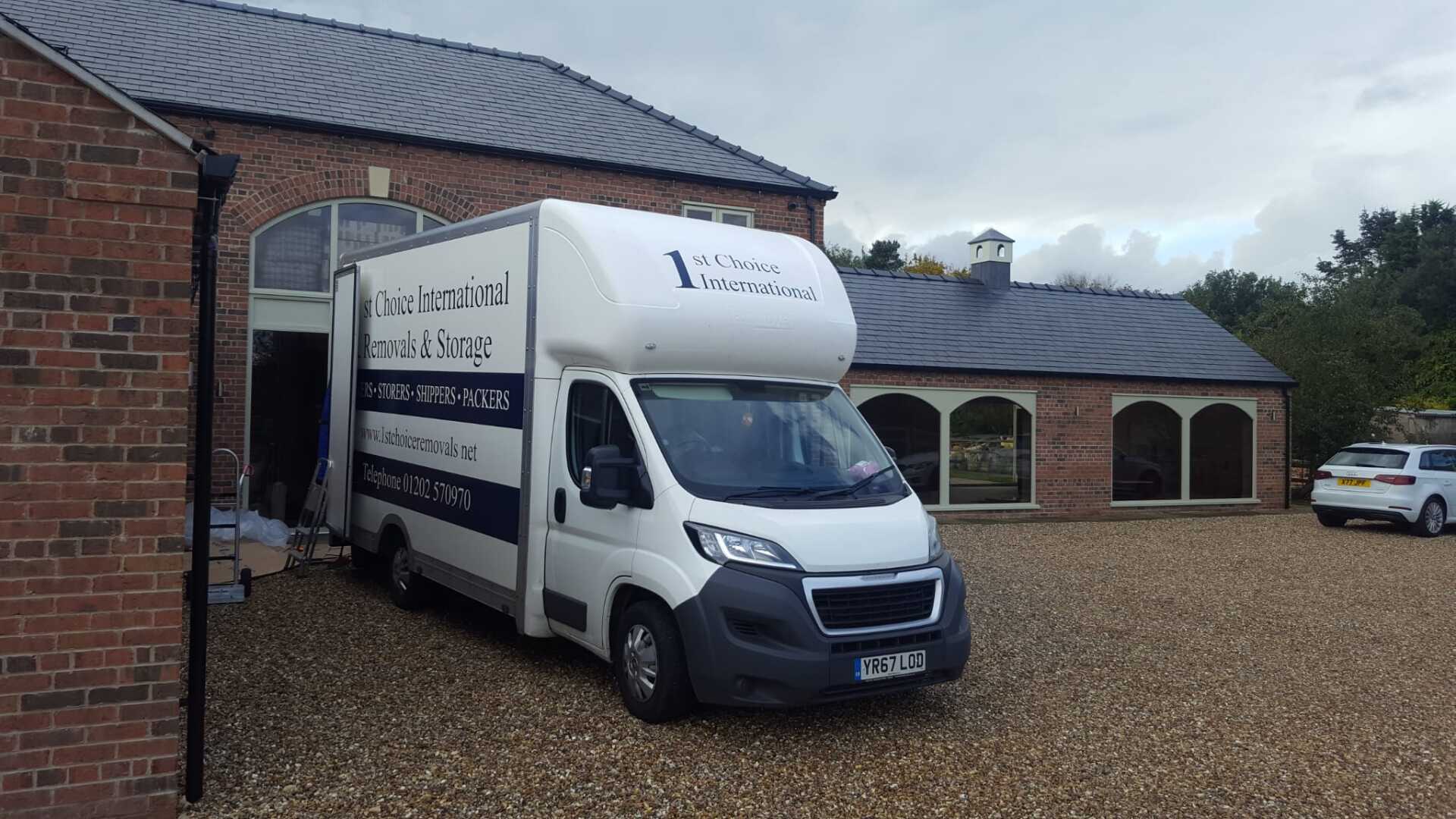
Our packing service is carried out by 1st Choice's own full-time, uniformed crew, never agency staff. You can have your whole home packed, or ask at your survey about packing just the kitchen, glassware and pictures while you do the rest. Unpacking at your new home and furniture dismantling and reassembly are available as optional extras, charged on top of your quote.
Professional packing makes most sense if you are short of time, have a lot of fragile or valuable items, or are moving a long way. For pianos, antiques and artwork, see specialist removals; valuable pieces can travel in a bespoke wooden crate.
How we protect your furniture and your home
Packing boxes is only half the job. On moving day our crews protect the house as well as the contents.
- Heavy-duty floor sheeting laid along every route the crew uses.
- Padding on banisters, doors and door frames before large items are carried.
- Fragile items properly wrapped, and furniture covered before it leaves the room.
- Loads secured in the vehicle so nothing shifts on the road.
If your belongings are going into storage or abroad, careful packing matters even more. Ask about both at your survey, or request a quote and call 01202 570970.