
When storage helps during a house move
Most people need storage for one of a few reasons. The chain breaks, a completion date slips, or you are moving into rented accommodation while you look for the right house.
- A gap between homes. You have to leave your old home before you can get into the new one.
- Selling your home. Clearing furniture and clutter so rooms look bigger for viewings.
- Renovating. Emptying rooms so builders and decorators can work without damaging your things.
- Downsizing. Keeping furniture you are not ready to part with while you decide.
- Moving abroad. Holding items you want to keep in the UK for now.
If any of these apply, it is worth mentioning storage at your survey so the move and the storage are planned together. See our storage services for how it works locally.
How containerised storage works with your move
With containerised storage, your belongings are loaded into a storage container rather than a room you have to fill yourself. The same crew who pack and load your home can take everything straight into storage, then deliver it to your new address when you are ready.
Because your things are handled by one team from door to container and back again, there are fewer transfers and less chance of damage. It suits both a few weeks between completions and longer stays of several months.
We keep storage and removals under one roof as a family business. Alan and Richard Vaughan look after the storage side, and Chris and Fiona run removals, so the two are planned together.
What to put into storage before selling your home
Buyers need to picture themselves living in your home, and clutter gets in the way. Short-term storage is a simple way to make rooms feel bigger before you go on the market.
- Extra furniture. Spare chairs, side tables, bookcases and bulky footstools. Keep the pieces that show what each room is for and leave space to walk around.
- Personal photos and keepsakes. Family photos, certificates, souvenirs and fridge magnets. A neutral room appeals to more buyers.
- Out-of-season clothing and gear. Winter coats, sports kit and decorations. Buyers open wardrobes and cupboards, and half-empty ones look bigger.
- Most of the toys and pet things. Leave a small tidy selection out and store the rest.
- Boxes you have already packed. Packing early is sensible, but stacks of boxes in corners or the garage make a house feel cramped.
For more on paring back before a sale, read our decluttering and downsizing guide.
Using storage while you renovate
Building work and belongings do not mix well. Moving furniture and valuables out of the way protects them from plaster dust, paint and knocks, and gives trades a clear, safe space to work.
- Work room by room. Store the living room contents while the kitchen is done, then swap as the project moves on.
- Protect what is hard to replace. Antiques, artwork, pianos and good wooden furniture are safer out of a building site.
- Store seasonal items at the same time. It is a good moment to clear out winter clothing and decorations too.
If you are renovating a home you are about to move into, your belongings can go into storage straight from the old house and be delivered once the work is finished.
How to pack for storage
Items in storage sit still for weeks or months, so they need packing with that in mind. Good preparation means things come out in the same condition they went in.
- Use strong boxes. Sturdy cartons hold their shape when stacked. Weak or reused boxes can crush over time.
- Do not overfill or underfill. Boxes should close flat so they stack safely.
- Heavy at the bottom, fragile on top. Wrap fragile items properly in paper or bubble wrap.
- Avoid plastic bags and bin liners for fabrics. They trap moisture. Use breathable covers for sofas, mattresses and soft furnishings.
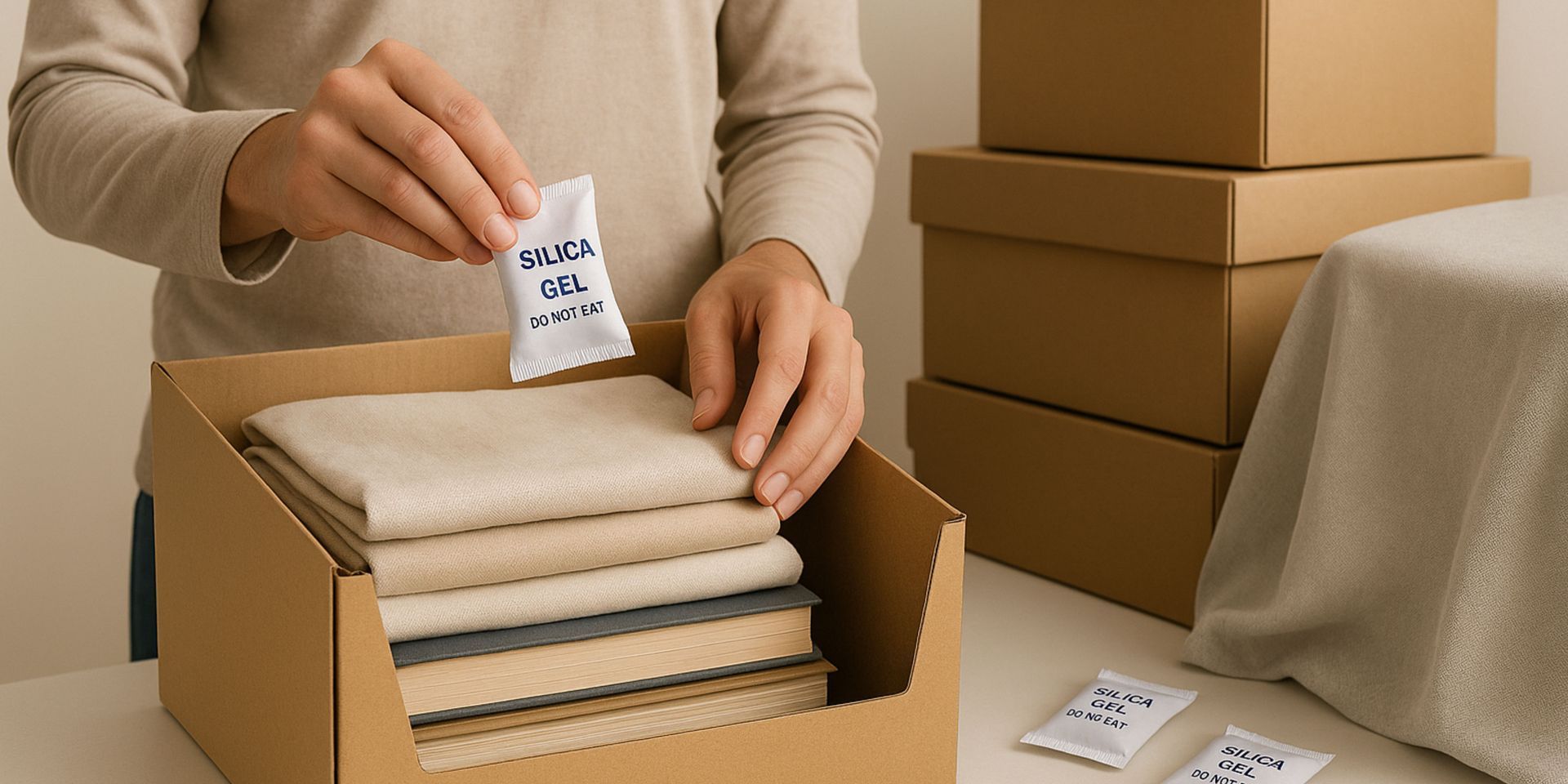
- Add moisture absorbers to boxes of books, paper, clothing and linen.
- Label every box with its contents and the room it belongs in, and mark which way up it goes.
You can buy boxes, tape and wrapping individually from our packing materials range, or let our crew do it with our packing service.
Preparing items for longer-term storage
For anything going into storage for a season or longer, a bit of cleaning first saves problems later. Dirt and damp are what usually cause damage, not time.
- Clean and fully dry garden furniture, bikes and sports equipment to prevent rust, mould and mildew.
- Wash clothing before packing so stains do not set, and consider a fabric-safe moth repellent.
- Empty and defrost fridges and freezers at least a day before, and leave the doors slightly open.
- Drain fuel and oil from mowers and garden machinery.
- Do not store food, plants, candles, anything flammable or anything that could melt or leak.
Keep a written list of what is in storage. You can access your stored items by arranging it with our office, and the list tells you exactly which box you need.
Planning your move with storage
The simplest approach is to book storage at the same time as your removal. We can then plan one collection from your old home and one delivery to your new one, even if the dates are months apart.
- Tell us at the survey roughly how long you expect to need storage. Short and long-term stays are both fine, and plans can change.
- Set aside anything you need in the meantime, such as documents, work equipment and seasonal clothes, so it is not loaded into storage by mistake.
- If only part of your home is going into storage, label those items clearly so the crew can separate them.
For a full timeline for the rest of your move, see our moving house checklist. When you are ready, Book your free home visit if you are in a BH postcode or DT11, or Get an online quote from anywhere else. You can also call 01202 570970.